
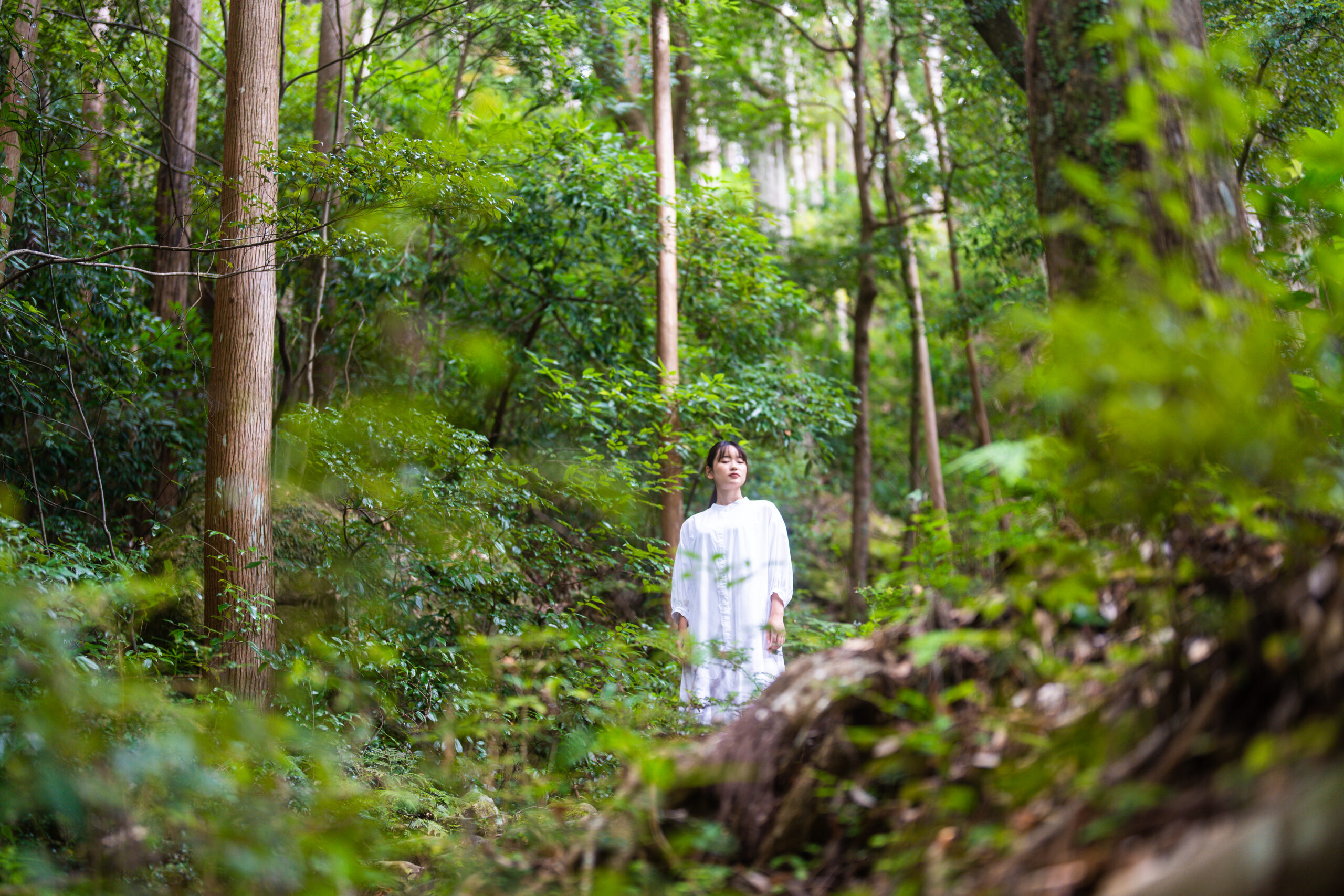
Walking the Path of the Soul
Many come to the Kumano Kodo to hike. But for centuries, pilgrims didn’t just come to walk; they came to be reborn. In the ancient spiritual tradition of Kumano, the pilgrimage is a journey of “Yomigaeri” (Resurrection). To truly complete this journey, one must undergo three specific purification rituals known as “Kori”.
Note: While the ritual is called “Kori,” the pronunciation changes to “-gori” when combined with other words (e.g., Shio-gori).
These three steps transform a simple hike into a profound spiritual experience. By washing away the past, you prepare your soul to meet the spirits of nature.
1. Shiogori (潮垢離): Purification by the Sea
The Beginning: Washing away the World
Before entering the sacred mountains, ancient pilgrims would first visit the coast of Tanabe to purify themselves in the ocean. This ritual, called Shiogori, was essential to wash away the “dust” of the secular world.
-
The Meaning: The sea represents the boundary between the daily world and the sacred realm. Saltwater is believed to have strong purifying power.
-
Where to Experience: Ogigahama Beach (Tanabe City).
-
How to do it today: Before you start your trek, visit the beach. Gaze at the horizon, breathe in the sea breeze, and dip your hands into the waves. Visualize leaving your stress and daily worries behind in the ocean.
“Leave the weight of the world at the shore before you climb the heavens.”
2. Mizugori (水垢離): Purification by the River
The Gateway: Sharpening the Spirit
As you step into the mountains, the air changes. At the entrance to the sacred trails, pilgrims perform Mizugori in the cold, clear river waters. This act shocks the body and sharpens the mind, signaling to the spirits that you are entering their domain.
-
The Meaning: Water flows from the sacred mountains. By touching it, you connect physically with the sanctuary you are about to enter.
-
Where to Experience: Takijiri-oji. This serves as the main trailhead for the Nakahechi route.
-
How to do it today: At Takijiri-oji, walk down to the riverbank behind the shrine. Wash your hands and rinse your mouth with the crystal-clear water. Feel the coldness awaken your senses.
3. Yugori (湯垢離): Purification by Hot Spring
The Finale: The Womb of Rebirth
The final stage, before reaching the grand shrine of Kumano Hongu Taisha, is Yugori. This is not just a bath; it is a ritual of healing and rebirth. The warm, mineral-rich waters are often compared to the amniotic fluid of a mother’s womb.
-
The Meaning: After the long, arduous journey, you cleanse your body of sweat and fatigue. You emerge from the hot spring “reborn” as a new soul, ready to stand before the deities.
-
Where to Experience: Yunomine Onsen. This is one of the oldest hot springs in Japan, discovered 1,800 years ago.
-
How to do it today: Visit Tsuboyu, the small, World Heritage rock bath in the creek. Soak in the color-changing waters. Relax deeply and prepare your heart for your final destination: The Kumano Hongu Taisha.
Summary: The Cycle of Rebirth
-
The Sea (Shiogori): Cleansing the Past.
-
The River (Mizugori): Awakening the Present.
-
The Hot Spring (Yugori): Rebirth for the Future.
By following these three steps—Sea, River, and Hot Spring—you are not just a tourist walking a trail. You are a pilgrim participating in a 1,000-year-old story of resurrection.
Are you ready to begin your true pilgrimage?